The water war: Protecting your home (and health) from the UAE’s humidity paradox
Quick summary
KEY TAKEAWAYS
- The “moisture trap”: Dubai and Abu Dhabi are coastal cities with extreme humidity (80%+) that gets trapped inside cooled buildings, creating mould on walls and clothes.
- Summer rule: You need a dehumidifier in summer. AC units often cool air too fast to remove moisture effectively, leading to condensation that ruins leather goods and gypsum ceilings.
- Winter rule: You need a humidifier in winter. Aggressive cooling or heating can drop indoor humidity below 30%, drying out your throat and skin.
- Tech tip: Avoid small “Peltier” dehumidifiers; they are too weak for the UAE. You need a compressor-based unit that can extract 20L+ per day.
Time needed: 15 minutes to measure humidity; seasonal setup required. Potential impact: Prevention of mould damage to property and relief from “AC throat.” Best for: Residents dealing with mouldy wardrobes or chronic dryness.
1. The “moisture trap”: Why you have mould in the desert
A common misconception is that the UAE is perpetually dry. In reality, coastal cities like Dubai experience relative humidity exceeding 90% during summer nights.
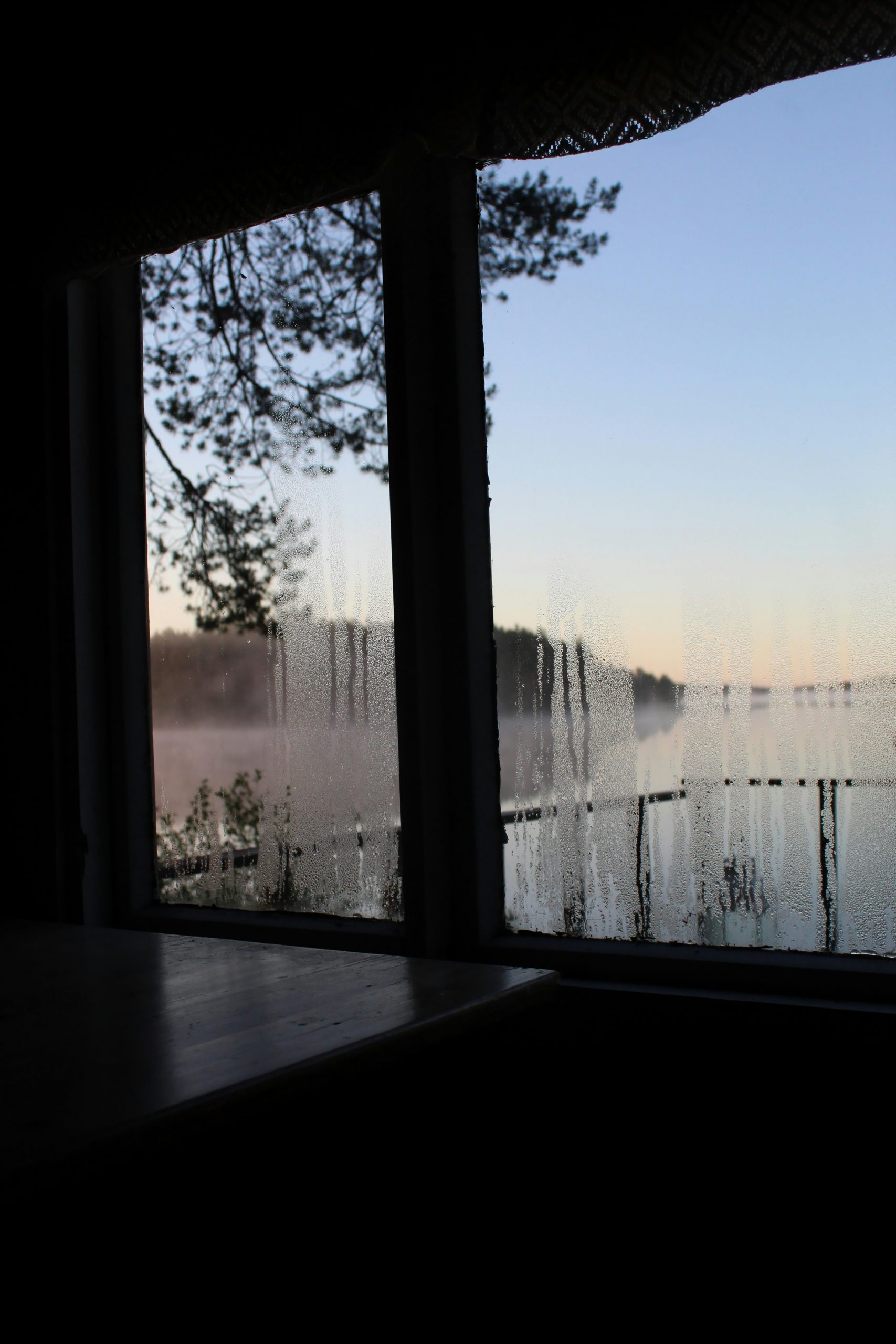
This creates a phenomenon known as the “moisture trap”. When this hot, humid outdoor air meets your AC-cooled interior surfaces (kept at 20°C-24°C), condensation occurs-similar to water beading on a cold soda can. This thermal bridge happens inside wall cavities and, critically, inside AC ductwork, turning your cooling system into a biological incubator for fungi.
If you have ever opened your closet to find green fuzz on your shoes or leather bags, this is the cause. The stagnant air and humidity have provided the “water activity” needed for mould to feed on your belongings.
2. Summer survival: The case for dehumidifiers
During the peak heat months, your AC is fighting a losing battle against moisture. Often, AC units are oversized, meaning they cool the room down very quickly and then shut off before they have run long enough to extract moisture from the air.
What you need: To protect your property, you need a dedicated dehumidifier.
- The spec that matters: Look for “compressor” units, not “Peltier” or “thermo-electric” models. You need a machine capable of extracting at least 20 liters of water per day.
- Top brands: Brands like Pro Breeze, Frigidaire, and Crownline are noted market leaders for this specific task.
3. Winter dryness: The “AC throat” problem
Conversely, during the transitional months or winter, the air can become aggressively dry. If indoor relative humidity drops below 30%-common in offices and over-cooled homes-your mucous membranes desiccate (dry out).
This lack of moisture compromises your natural defense against viruses, leading to the scratchy irritation known as “Dubai throat”.
What you need: You need to put moisture back into the air, but hygiene is critical.
- The safety warning: In the warm UAE climate, standing water in a humidifier tank can breed bacteria.
- Technology choice: Avoid ultrasonic humidifiers (which can spread bacteria and white dust). Opt for evaporative humidifiers (like the Philips NanoCloud technology), which naturally evaporate water without heating it or creating mist.
4. Solving the confusion: One device or two?
Consumers often ask if there is one machine that does everything. While some “combo” units exist (like the Philips Series 3000i), generally, the physics of adding water vs. removing water requires different hardware for peak efficiency.
The smart strategy:
- Buy a hygrometer: A simple AED 50 humidity monitor will tell you what you need.
- Above 60%: Turn on the dehumidifier (risk of mould).
- Below 40%: Turn on the humidifier (risk of dry throat).
- Seasonal rotation: You will likely need to store one device while using the other depending on whether it is July (humid) or January (dry).
5. Hygiene alert: The hidden danger of water tanks
Whether you are adding or removing water, you are creating a wet environment inside a machine. This is a risk factor.
- Dehumidifiers: Empty the bucket daily. If water sits there for a week, it becomes a bacterial soup.
- Humidifiers: Clean the tank weekly. The “warm” climate of a UAE home makes these devices prone to bacterial growth, which the machine then sprays into the air you breathe.